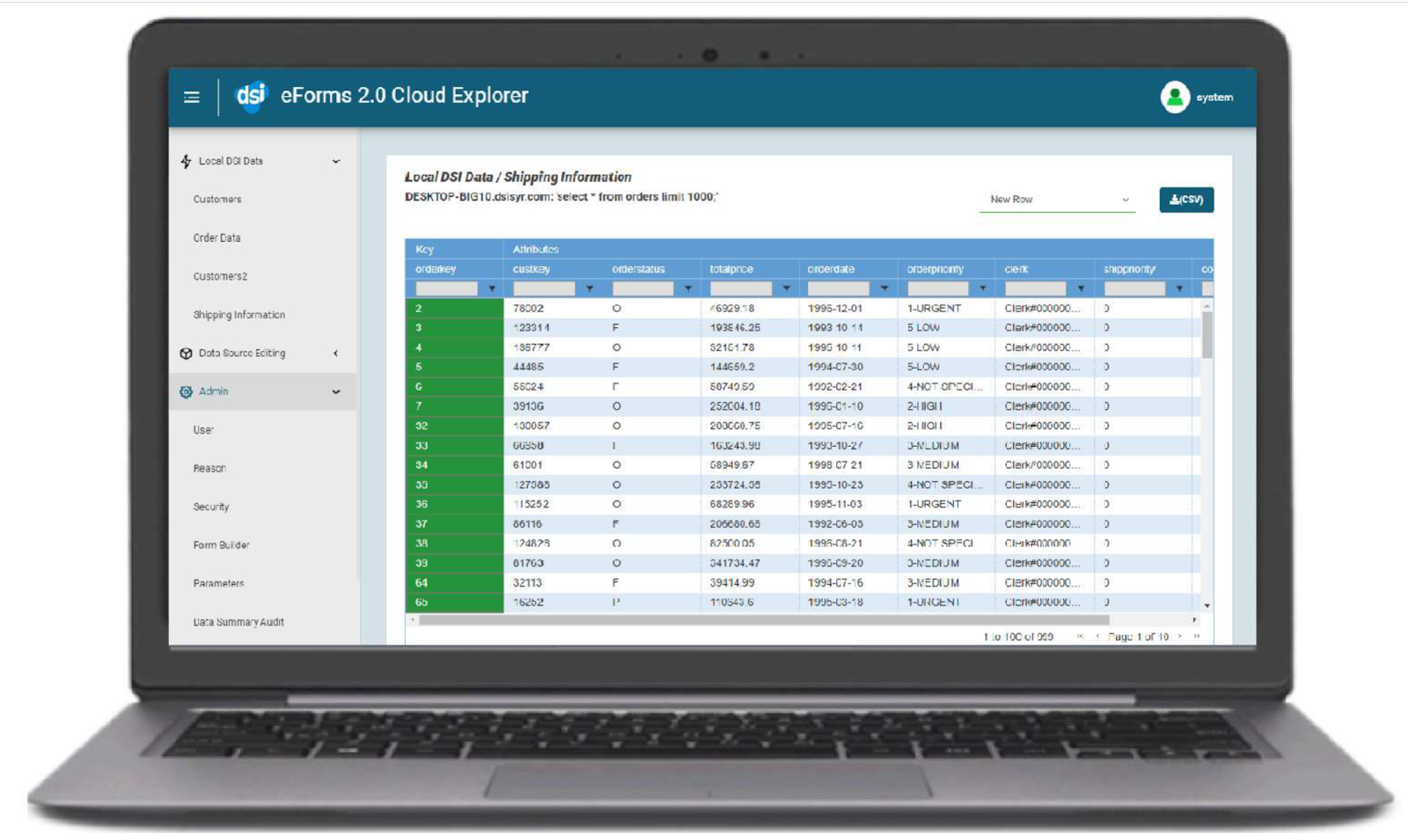
CloudExplorer and StorJ can be used together to give organizations highly available access to files and operational data. CloudExplorer gives teams spreadsheet-like access to cloud data, while StorJ provides decentralized storage designed to reduce the risk of single-datacenter failure.
Why availability matters more than ever
Recent years have made one thing clear: businesses increasingly depend on cloud services for core operations. Office productivity, enterprise software, plant systems, and IoT-connected operations all rely on cloud infrastructure.
But that also means organizations inherit cloud outage risk. Even the largest providers experience downtime. High availability targets may sound impressive on paper, but even strong uptime percentages still imply real minutes of disruption over the course of a year.
The core idea
The key point is simple: businesses do not have to accept avoidable data inaccessibility. By combining decentralized storage with a usable data interface, it becomes possible to reduce operational dependency on any one datacenter.
StorJ and CloudExplorer working together
StorJ is a decentralized cloud storage platform. Files are distributed across many nodes, which reduces the chance that one infrastructure failure can take critical access offline.
CloudExplorer sits on top of that data access problem and gives teams a usable application layer. Instead of asking end users to navigate raw cloud storage directly, the system provides a front-end where data can be viewed and worked with in a simple, spreadsheet-like experience.
Features highlighted in this approach include: - integration with company identity and domain access - ability to run the application in cloud environments - application-level and domain-level security boundaries - spreadsheet-style data display - data audit trails for data modifications - system audit trails for configuration changes
Security considerations
CloudExplorer was also designed with enterprise access control in mind. It supports internal user control and can be integrated into Active Directory-based environments. The point is not just to store data, but to make access manageable, auditable, and secure.
Why this matters operationally
For organizations that need dependable access to business data, the combination of decentralized storage and a controlled operational front end is powerful. It provides a path toward easier access, stronger resilience, and better confidence that critical data will still be reachable when infrastructure problems happen elsewhere.
The broader takeaway is that uptime, usability, and security do not need to be separate conversations. A well-designed cloud data platform should address all three together.